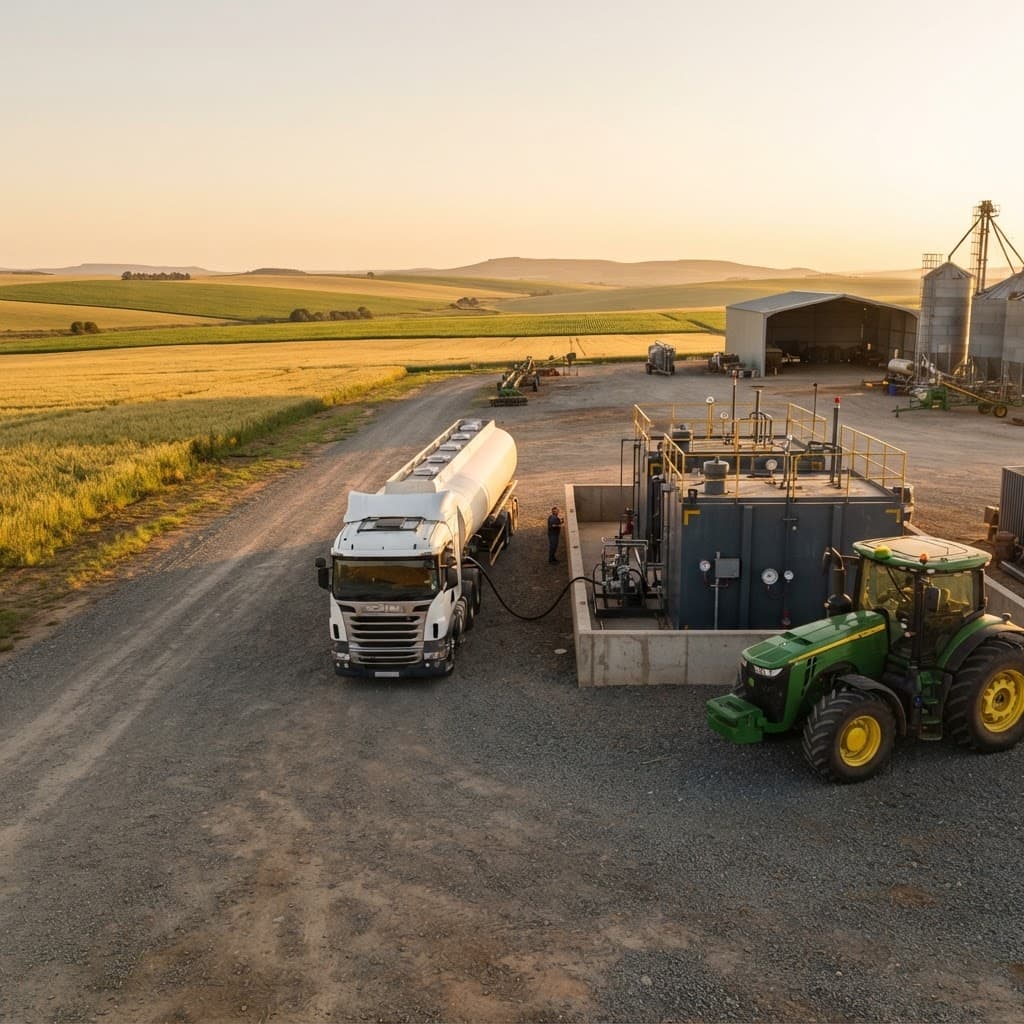
For South African procurement teams, fleet managers, and business owners, fuel price adjustments are rarely just administrative updates. They are critical events that shift operational budgets and necessitate immediate procurement responses. As we look toward November 2026, understanding the mechanisms behind these fluctuations is essential for maintaining business continuity.
Navigating Fuel Price Volatility in November 2026
Recent government decisions regarding fuel levies have introduced a shift in the pricing landscape. For commercial operators, it is vital to distinguish between regulated retail pump prices and the wholesale diesel pricing structures that govern bulk purchases. While retail prices are set by the Department of Energy, wholesale diesel prices are typically unregulated, allowing for competitive market pricing based on supply chain logistics and individual supplier agreements.
Monthly adjustments remain a significant factor for operational planning. Sudden changes in input costs can disrupt project margins, especially for industries like construction, mining, and long-haul logistics. To learn more about navigating these changes, you can read our latest updates on fuel price changes in South Africa.
Factors Influencing Recent Petroleum Price Movements
Petroleum price movements in South Africa are rarely the result of a single factor. Instead, they represent a complex interplay of international and domestic variables:
- Government Interventions: Adjustments to the General Fuel Levy or specific relief packages directly influence the landed cost of fuel. These interventions are often designed to cushion the impact of global price spikes on the local economy.
- Global Oil Markets: As a net importer of petroleum products, South Africa remains vulnerable to fluctuations in Brent Crude oil prices and the prevailing Rand/Dollar exchange rate.
- Depot-Level Logistics: Macroeconomic variables are often magnified at the depot level, where transport costs, storage fees, and demand surges can lead to variations in the final price offered to wholesale buyers.
Businesses often face intense pressure when these factors align negatively. You can explore how these dynamics affect operational overheads in our guide on how fuel costs impact South African businesses.
Strategic Fuel Procurement in a Fluctuating Market
In a market defined by volatility, procurement teams should prioritize supply security over price speculation. While chasing the lowest headline price may seem attractive, the hidden costs of interrupted supply or poor-quality fuel can be far more damaging to a company’s bottom line.
Maintaining long-term relationships with verified suppliers is a more resilient strategy. These relationships often allow for more predictable delivery schedules and better cash flow management. Furthermore, leveraging a structured Request for Quote (RFQ) process enables procurement teams to compare offerings based on total landed cost—which includes transport logistics and delivery lead times—rather than just the per-litre price of the fuel. For best practices in this area, see our guide on what smart businesses should check when buying bulk diesel.
Decision Checklist for Bulk Fuel Buyers
Before entering into or renewing a bulk fuel contract, ensure you have covered these essential due diligence steps:
- Verify Supplier Compliance: Ensure your supplier holds the necessary licenses and documentation. Verification helps confirm that the supplier is operating within the legal framework.
- Assess Storage Capacity: Match your fuel storage capacity with your delivery frequency to avoid stockouts while managing your working capital effectively.
- Evaluate Logistics: Consider the distance from the fuel depot to your site. Delivery costs can significantly impact the total price per litre.
- Understand Product Specs: Different equipment requires different grades of fuel. Understanding whether your fleet needs 10ppm, 50ppm, or 500ppm diesel is critical to equipment longevity. Our buyer's guide to choosing the right diesel provides further detail on these differences.
Frequently Asked Questions
Do government fuel price adjustments affect wholesale diesel contracts immediately?
While wholesale diesel pricing is not regulated in the same way as retail petrol, wholesale prices are heavily influenced by the same international product price indices and government levies. As a result, adjustments to the national fuel price structure generally filter through to wholesale contracts during the monthly cycle.
How can businesses mitigate the risk of price volatility in their fuel budgets?
Mitigation strategies include maintaining diverse supply channels, optimizing delivery logistics to reduce transport costs, and utilizing an RFQ marketplace to ensure competitive market pricing. Additionally, consistent monitoring of market trends through industry news can help with more accurate forecasting.
What documentation should I request from a new fuel supplier?
When vetting a new supplier, request their business registration documents, valid fuel wholesaler or distributor licenses, and evidence of fuel quality compliance. If they are part of a verification platform, check their supplier tier status to understand what documentation they have provided for review.
Ready to secure your fuel supply? Find verified suppliers on our platform today to begin requesting quotes for your bulk requirements.